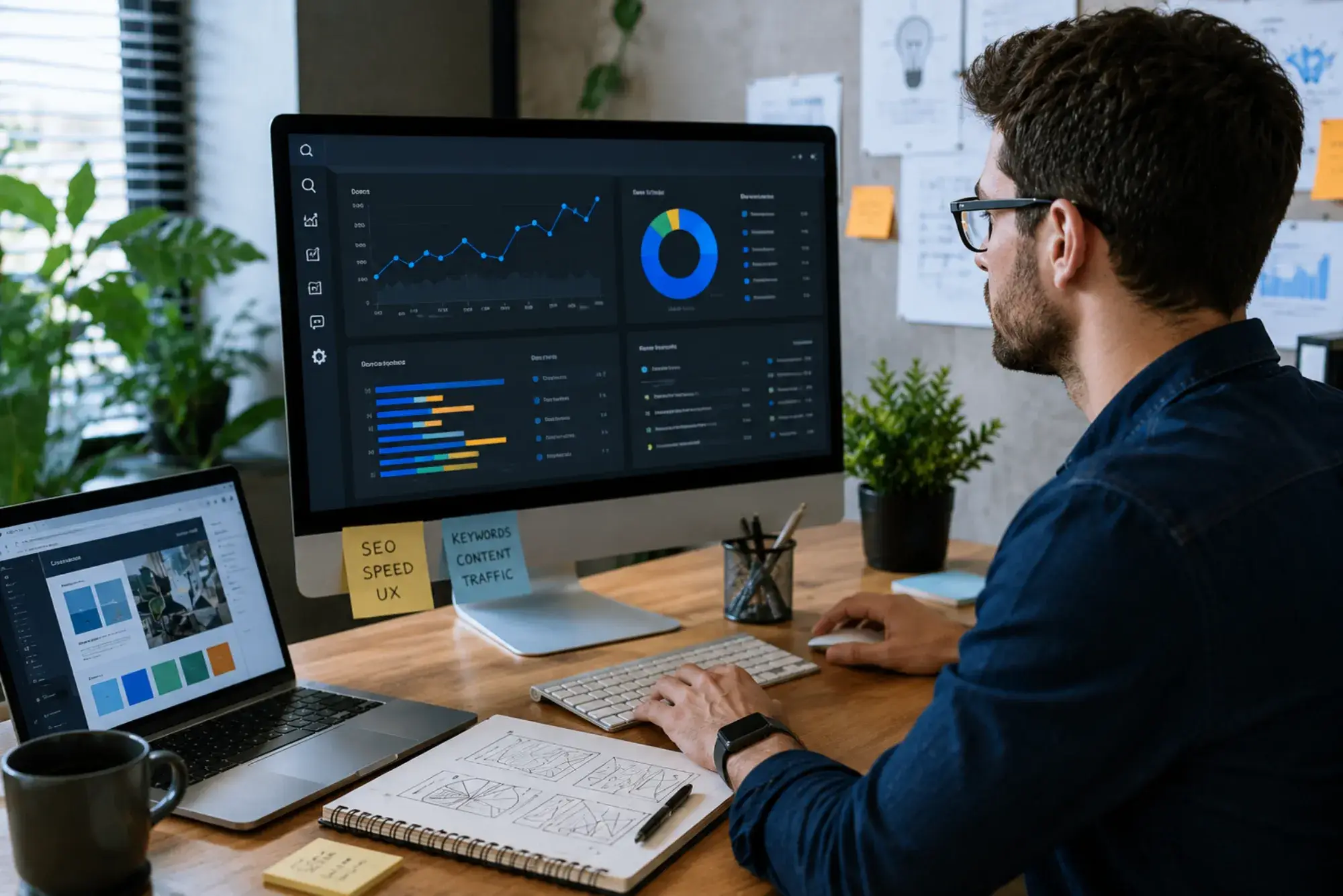
A beautiful website that cannot generate traffic is no longer considered successful in 2026. Businesses now expect websites to rank, convert, load quickly, and create measurable growth. That shift has transformed the role of web designers from visual creators into strategic digital problem-solvers.
Search engine optimization has become deeply connected to modern design workflows. Designers who understand how to use SEO tools effectively can increase organic traffic, improve user experience, and deliver significantly more value to clients without spending countless hours on manual optimization.
The challenge is not access to tools. The challenge is knowing which SEO tools actually save time instead of creating unnecessary complexity. Many designers waste hours switching between platforms, collecting data they never use, or overcomplicating workflows.
The smartest designers in 2026 focus on efficiency first. Resources discussing all-in-one SEO tools for web designers continue gaining attention because professionals increasingly want streamlined systems instead of scattered workflows.
Why SEO Matters More for Web Designers Than Ever Before
Google’s ranking systems have evolved dramatically over the last few years. Search engines now evaluate user experience signals, page speed, mobile responsiveness, content structure, accessibility, and engagement metrics alongside traditional SEO factors.
Most of those elements directly connect to design decisions.

A slow website with poor navigation and confusing layouts can damage rankings even if the content itself is strong. Designers now influence SEO performance more than many realize.
Modern web designers contribute to:
- Page speed optimization
- Mobile usability
- Visual hierarchy
- Navigation structure
- Accessibility improvements
- User engagement metrics
That overlap between design and SEO continues growing stronger every year.
The Biggest SEO Mistake Web Designers Make
Many designers still treat SEO as a separate phase handled after development. That outdated approach creates unnecessary revisions, technical issues, and wasted time.
Successful designers integrate SEO from the beginning of the project instead of adding it later.
That means thinking about search intent during wireframing, considering site structure before development begins, and planning performance optimization before visual elements become too heavy.
SEO works best when it becomes part of the design process rather than an afterthought.
How SEO Tools Save Time Instead of Creating More Work
One reason some designers avoid SEO tools is simple: too many platforms feel overwhelming. Complex dashboards, endless metrics, and overlapping reports can reduce productivity rather than improve it.
The key is choosing tools that simplify decision-making.
| SEO Goal | Best Tool Type | Main Benefit |
|---|---|---|
| Keyword research | Search analysis tools | Content targeting clarity |
| Technical audits | Site crawlers | Fast issue detection |
| Performance optimization | Speed analysis tools | Better Core Web Vitals |
| Competitor analysis | SEO intelligence platforms | Strategic insights |
| Content structure | On-page optimization tools | Improved ranking signals |
The goal is not using more tools. The goal is eliminating repetitive manual work.
Keyword Research Should Influence Design Decisions
Many designers think keyword research belongs exclusively to content marketers. In reality, keyword data helps shape layouts, navigation structures, landing pages, and conversion flows.
Understanding what users search for reveals how visitors expect information to be organized.
For example, a service website targeting multiple local search queries may require dedicated landing pages, clear internal navigation, and localized content sections.
Keyword research also helps designers avoid creating beautiful pages targeting topics nobody actually searches for.
Modern keyword planning strategies are becoming increasingly specialized. Discussions around affordable SEO tools for web designers highlight how freelancers and small agencies are prioritizing efficiency-focused research systems.
Technical SEO Is Now Part of User Experience Design
Technical SEO once sounded highly developer-focused, but many technical ranking factors now overlap directly with UX design principles.
Search engines reward websites that feel fast, accessible, stable, and easy to navigate.
Core Web Vitals remain especially important in 2026 because they measure real user experience performance.
Important Technical Areas Designers Influence
| SEO Element | Design Impact | Ranking Influence |
|---|---|---|
| Page speed | Heavy visuals and animations | High |
| Mobile responsiveness | Adaptive layouts | High |
| Visual stability | Layout shifting | Medium-High |
| Accessibility | Readable interfaces | Growing importance |
| Navigation clarity | User engagement | Strong indirect impact |
Designers who understand technical SEO create websites that perform better organically without needing constant fixes later.
AI-Powered SEO Tools Are Changing Design Workflows
Artificial intelligence has dramatically changed how SEO tools function in 2026. Modern platforms now automate tasks that previously consumed hours of manual analysis.
AI-powered tools can now:
- Identify technical issues automatically
- Suggest internal linking opportunities
- Analyze competitor content gaps
- Recommend keyword clusters
- Generate optimization checklists
The smartest designers use AI for speed, not replacement. Human judgment still matters when deciding how SEO insights should influence layouts and user experience.
Automation works best when paired with strategic thinking.
Why Site Structure Matters More Than Fancy Design Effects
Many websites fail to rank because navigation becomes unnecessarily complicated. Search engines prefer websites with logical architecture and clear internal linking systems.
Designers often focus heavily on aesthetics while underestimating structural simplicity.
Well-organized websites help both users and search engines understand content relationships more efficiently.
Good structure improves:
- Crawlability
- User engagement
- Session duration
- Conversion flow
- Internal authority distribution
SEO tools that visualize internal linking and page hierarchy can save designers enormous amounts of troubleshooting later.
Content Collaboration Improves SEO Results
Designers and content creators often work separately even though their work directly influences each other.
SEO tools help bridge that gap by providing shared visibility into keyword targeting, user intent, and content performance.
Designers who understand content strategy create layouts that support readability, scannability, and engagement instead of simply placing text around visuals.
Modern content optimization increasingly depends on structure rather than word count alone.
This shift explains why educational resources like comparisons between free and paid SEO tools remain highly relevant for agencies balancing efficiency with growing client expectations.
Mobile Optimization Is Now a Baseline Expectation
Mobile-first indexing is no longer new, but many websites still struggle with real mobile usability.
Designers who rely heavily on desktop-focused layouts often overlook how users actually interact with websites on smaller screens.
SEO tools that simulate mobile usability help identify:
- Touch interaction problems
- Font readability issues
- Layout overflow errors
- Slow-loading media
- Poor navigation hierarchy
Mobile optimization now affects rankings, conversions, and engagement simultaneously.
Designers Should Monitor Search Intent, Not Just Rankings
One major SEO mistake involves obsessing over rankings without understanding why users search in the first place.
Search intent determines what type of experience users expect when visiting a page.
A visitor searching for pricing information expects quick clarity. Someone researching educational content expects deeper explanations and organized information.
SEO tools that analyze intent patterns help designers create pages aligned with user expectations rather than generic templates.
Matching design structure with search intent improves engagement metrics naturally.
Competitor Analysis Helps Designers Spot Missed Opportunities
Competitive analysis tools reveal far more than keyword rankings. They help designers identify layout patterns, content gaps, performance weaknesses, and engagement opportunities across entire industries.
Instead of copying competitors visually, smart designers analyze:
| Competitor Factor | What Designers Learn |
|---|---|
| Page structure | Navigation priorities |
| Content depth | User expectations |
| Performance speed | Technical benchmarks |
| Conversion flow | User behavior patterns |
| Internal linking | Authority distribution |
This approach creates smarter strategic decisions without wasting time on unnecessary redesigns.
Common SEO Tool Mistakes Designers Should Avoid
Not every SEO recommendation deserves implementation. Some designers make the mistake of blindly following automated suggestions without considering user experience.
Common problems include:
- Over-optimizing pages with excessive keywords
- Adding unnecessary plugins that slow performance
- Following every SEO score mechanically
- Ignoring user experience for technical perfection
- Using too many overlapping tools
The best SEO strategies balance technical optimization with real usability.
Local SEO Opportunities Are Growing for Designers
Local businesses increasingly expect websites to generate nearby traffic, especially in competitive markets.
Designers working with restaurants, consultants, agencies, or service providers now benefit from understanding local SEO structures.
Location-focused landing pages, structured navigation, optimized mobile experiences, and map integration all influence local visibility.
Businesses investing heavily in local visibility strategies often combine SEO improvements with broader digital growth systems, similar to approaches discussed in modern backlink and authority-building strategies.
The Future of SEO Tools for Designers in 2026
SEO tools are becoming less technical and more workflow-oriented. Instead of overwhelming users with data, modern platforms increasingly focus on actionable recommendations and automation.
The future will likely involve:
- AI-driven optimization suggestions
- Integrated design and SEO systems
- Predictive ranking analysis
- Real-time performance feedback
- Smarter content structure automation
Designers who learn how to interpret SEO insights strategically will continue gaining competitive advantages over purely visual-focused professionals.
Why Simplicity Wins in Modern SEO Workflows
The most productive web designers in 2026 are rarely the ones using dozens of complicated platforms simultaneously.
Instead, they build streamlined workflows focused on:
- Fast technical audits
- Clear keyword research
- Performance monitoring
- User behavior insights
- Simple optimization systems
Simplicity reduces errors, improves consistency, and saves significant time over long-term projects.
That efficiency becomes increasingly valuable as clients expect websites that combine strong design, technical performance, and measurable business growth.
Conclusion
How Web Designers Can Use SEO Tools to Increase Organic Traffic Without Wasting Time in 2026 is ultimately about smarter workflows rather than more complicated optimization.
Modern SEO tools help designers improve rankings, user experience, content structure, and technical performance without relying on endless manual analysis. The key is choosing systems that simplify decision-making while supporting real user needs.
As search engines continue prioritizing experience, speed, and engagement, web designers who understand SEO will play an even larger role in driving organic growth. Professionals who combine visual creativity with strategic optimization will remain far more valuable than those focused on aesthetics alone.
For designers exploring broader SEO workflows and optimization systems, resources like modern all-in-one SEO platforms continue offering practical insights into building more efficient long-term strategies.
FAQs
Why should web designers learn SEO?
SEO directly affects website visibility, traffic, and user experience. Designers who understand SEO create more effective websites that perform better in search results.
What SEO tools are most useful for web designers?
Keyword research tools, technical SEO crawlers, speed optimization platforms, and content analysis tools are especially useful.
Can SEO tools save time for designers?
Yes. Modern SEO tools automate audits, identify issues quickly, and reduce repetitive manual optimization work.
How does design affect organic traffic?
Page speed, mobile usability, navigation structure, accessibility, and engagement all influence search performance and user behavior.
Are free SEO tools enough for web designers?
Free tools can work for smaller projects, but larger websites and agencies often benefit from advanced paid features and automation.
Related Reading: Best SEO Reporting Tools for Web Designers measuring organic traffic gains and SEO wins in 2026
Related Reading: What Are SEO Tools For Web Designers And Which Features Matter Most in 2026?
Related Reading: How to Train a Dog to Walk Beside a Stroller Without Pulling or Lunging
Related Reading: Best AI SEO Tools for Web Designers That Help Them Grow Traffic Faster in 2026 — full guide