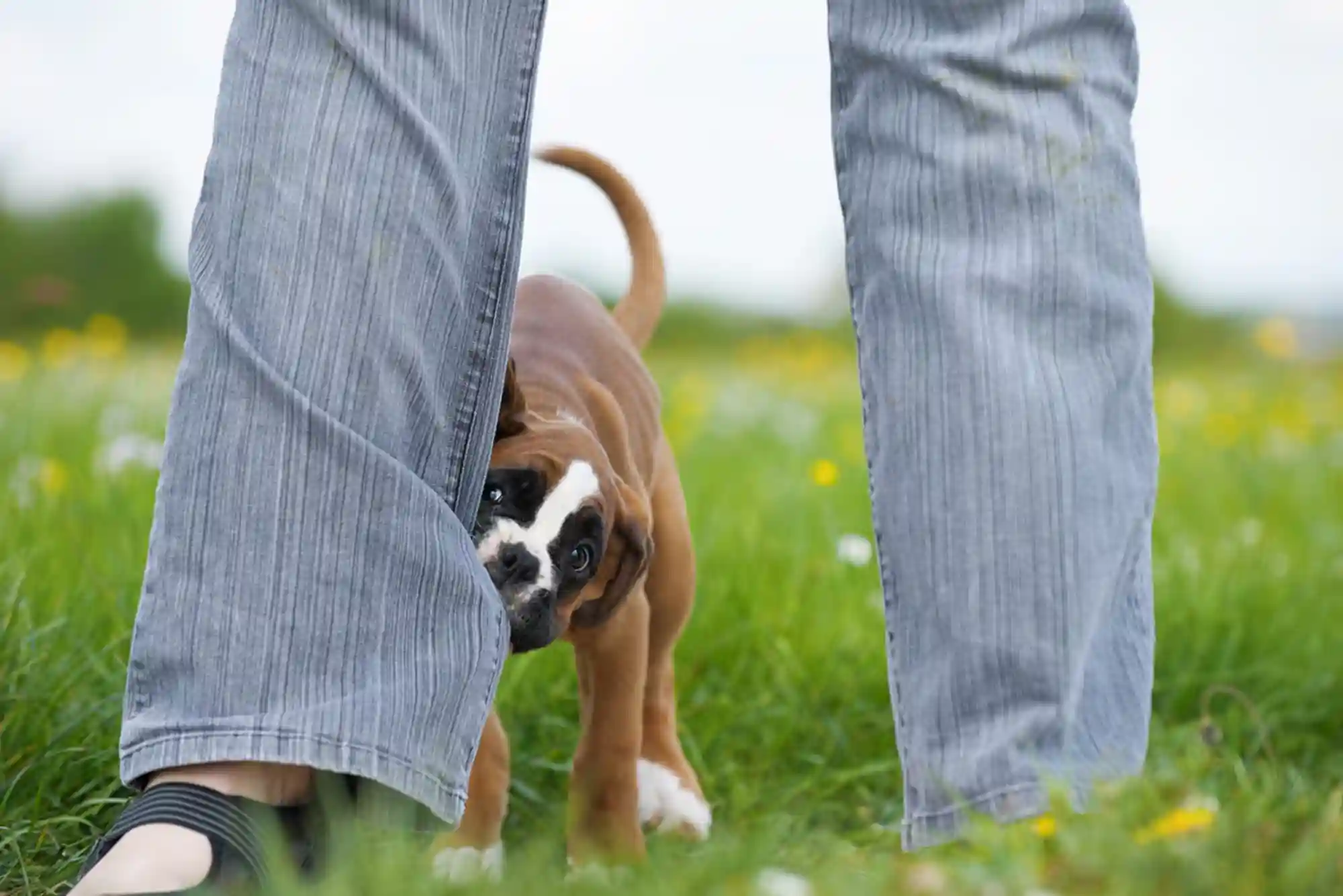
Introduction
Walking a dog beside a stroller can be wonderfully convenient, but it also creates a situation that requires extra training and awareness. A stroller takes up space, changes your movement, and can become difficult to control if your dog suddenly pulls toward another dog, cyclist, person, or interesting smell. Learning how to train a dog to walk beside a stroller is therefore less about forcing your dog to stay perfectly still and more about teaching calm, predictable walking habits.
The good news is that most dogs can learn this skill through gradual exposure, reward-based training, and consistent handling. Whether you have a young, energetic dog or an adult companion who already pulls on the leash, you can build better manners one step at a time.
If you are still learning about your dog’s breed characteristics, the Heritage Dog Breed Encyclopedia can also provide useful background on breed tendencies, temperament, and exercise needs. Understanding why your dog behaves a certain way makes training much easier.
Why Training a Dog to Walk Beside a Stroller Matters
A stroller changes the normal walking environment. Instead of having one dog and one person moving together, you now have a leash, stroller wheels, a baby or child, and potentially several distractions to manage.
A dog that normally walks reasonably well may pull when the stroller moves for the first time. Some dogs become excited by the wheels, while others may feel restricted by the narrow space between the stroller and the pavement.
The objective of how to train a dog to walk beside a stroller is not simply to eliminate pulling. Your dog should learn to remain close enough for you to maintain control while still having an appropriate amount of freedom to sniff and explore.

Calm walking is especially important because a sudden lunge can make the stroller difficult to steer. A strong dog can potentially pull you off balance or cause the stroller to veer unexpectedly.
Start Without the Stroller
One of the biggest mistakes owners make is introducing the dog and stroller together immediately. If your dog has never seen a stroller before, the moving wheels and unfamiliar shape can be surprisingly stimulating.
Teach loose-leash walking first
Before working on how to train a dog to walk beside a stroller, make sure your dog understands basic loose-leash walking.
Reward your dog whenever the leash remains slack and your dog stays near the position you prefer. You do not need to demand a rigid heel throughout the entire walk. Instead, reinforce a comfortable walking zone where your dog is beside you rather than constantly reaching the end of the leash.
When the leash becomes tight, stop moving. Once your dog returns toward you or creates slack, continue walking and reward the calmer behaviour.
This teaches an important lesson: pulling does not make the walk move forward.
Practice attention cues
A reliable attention cue can be extremely useful around a stroller. Teach your dog to look toward you when you say their name or another chosen cue.
Start indoors with very few distractions. Say the cue, reward eye contact, and gradually practise outdoors. Eventually, your dog should be able to redirect attention from a distraction back toward you.
Introduce the Stroller as a Neutral Object
Before pushing the stroller around the neighbourhood, let your dog investigate it while it is stationary.
Place the stroller somewhere familiar and allow your dog to approach voluntarily. Reward calm behaviour around it.
Avoid making the stroller overly exciting. You do not need to repeatedly call your dog toward it or encourage jumping around the wheels. The goal is to make the stroller an ordinary part of the environment.
Move the Stroller Slowly
Once your dog is comfortable around the stationary stroller, begin moving it a short distance.
Push it several feet while your dog remains nearby. Stop, reward calm behaviour, and repeat.
If your dog tries to chase the wheels, increase the distance and slow down. Do not allow the dog to practise repeatedly running toward the stroller, because rehearsing unwanted behaviour can make it harder to change.
As your dog’s confidence improves, gradually increase the amount of movement.
Teach Your Dog Where to Walk
A consistent position makes how to train a dog to walk beside a stroller much easier.
Choose whether your dog will normally walk on the left or right side. Consider which position gives you the best control and leaves sufficient space between the dog and stroller.
You can then reward your dog for remaining within that general area.
Avoid an overly strict heel
Your dog does not necessarily need to walk with their shoulder perfectly aligned with your leg throughout the entire outing. That level of precision can be unnecessary for ordinary neighbourhood walks.
Instead, establish a practical boundary. Your dog should not cross in front of the stroller, move behind the wheels, or suddenly dart toward the opposite side.
A relaxed walking position is safer and easier to maintain.
Practise Turning, Stopping, and Starting
A stroller walk involves frequent changes of direction. Your dog needs to understand that your movement controls the pace.
Practise walking several steps, stopping, turning, and starting again.
Reward your dog when they respond without pulling. If you turn left, your dog should learn to follow rather than continuing forward at the end of the leash.
These simple exercises become particularly valuable when navigating crowded pavements, narrow paths, or unexpected obstacles.
How to Stop Pulling Beside a Stroller
Pulling usually becomes worse when the dog has access to something exciting. A passing dog, squirrel, food smell, cyclist, or unfamiliar person can quickly override previously learned behaviour.
The key is to intervene before the pulling becomes extreme.
Use distance to manage excitement
If your dog begins staring intensely at another dog, increase the distance before the behaviour turns into lunging.
Cross the street, make a gentle turn, or move toward a quieter area. Then reward your dog for looking back at you.
This approach is more effective than waiting until your dog is already barking and pulling at full strength.
Reward calm choices
Whenever your dog notices something exciting but remains calm, mark the behaviour and reward it.
Over time, your dog learns that seeing distractions does not automatically mean rushing toward them.
This is one of the most important principles in how to train a dog to walk beside a stroller because it changes the dog’s emotional response rather than simply suppressing the outward behaviour.
How to Prevent Lunging
Lunging is different from ordinary leash pulling because it can involve a sudden, explosive movement. If your dog lunges at people, animals, vehicles, or other triggers, stroller training should progress particularly slowly.
Start at a distance where your dog can notice the trigger without losing control.
Watch your dog’s body language
Dogs often show signs of increasing arousal before they lunge. Your dog may become stiff, stare intensely, close their mouth, raise their tail, whine, or stop responding normally to familiar cues.
These signals tell you to create more distance.
Do not wait for the lunge. Good training happens before the dog reaches that point.
If your dog has a serious history of lunging or aggression, consider working with a qualified force-free trainer or veterinary behaviour professional rather than attempting challenging stroller walks alone.
Build Stroller Training Gradually
Successful stroller walking is a progression, not a single training session.
Begin in a quiet environment. Once your dog can calmly walk beside the stroller there, move to a slightly more distracting location. Later, practise around mild traffic, pedestrians, and other normal neighbourhood distractions.
Keep early sessions short. Five calm minutes can be more valuable than a 30-minute walk filled with pulling and frustration.
Increase difficulty one variable at a time
Do not simultaneously introduce a busy park, unfamiliar route, crowded pavement, and long walk.
Change one element at a time. For example, you might use a familiar route with slightly more pedestrians before attempting a completely new environment.
This makes it easier to identify what causes your dog’s excitement.
Choose Equipment That Supports Good Walking
Equipment cannot replace training, but appropriate equipment can make the learning process safer.
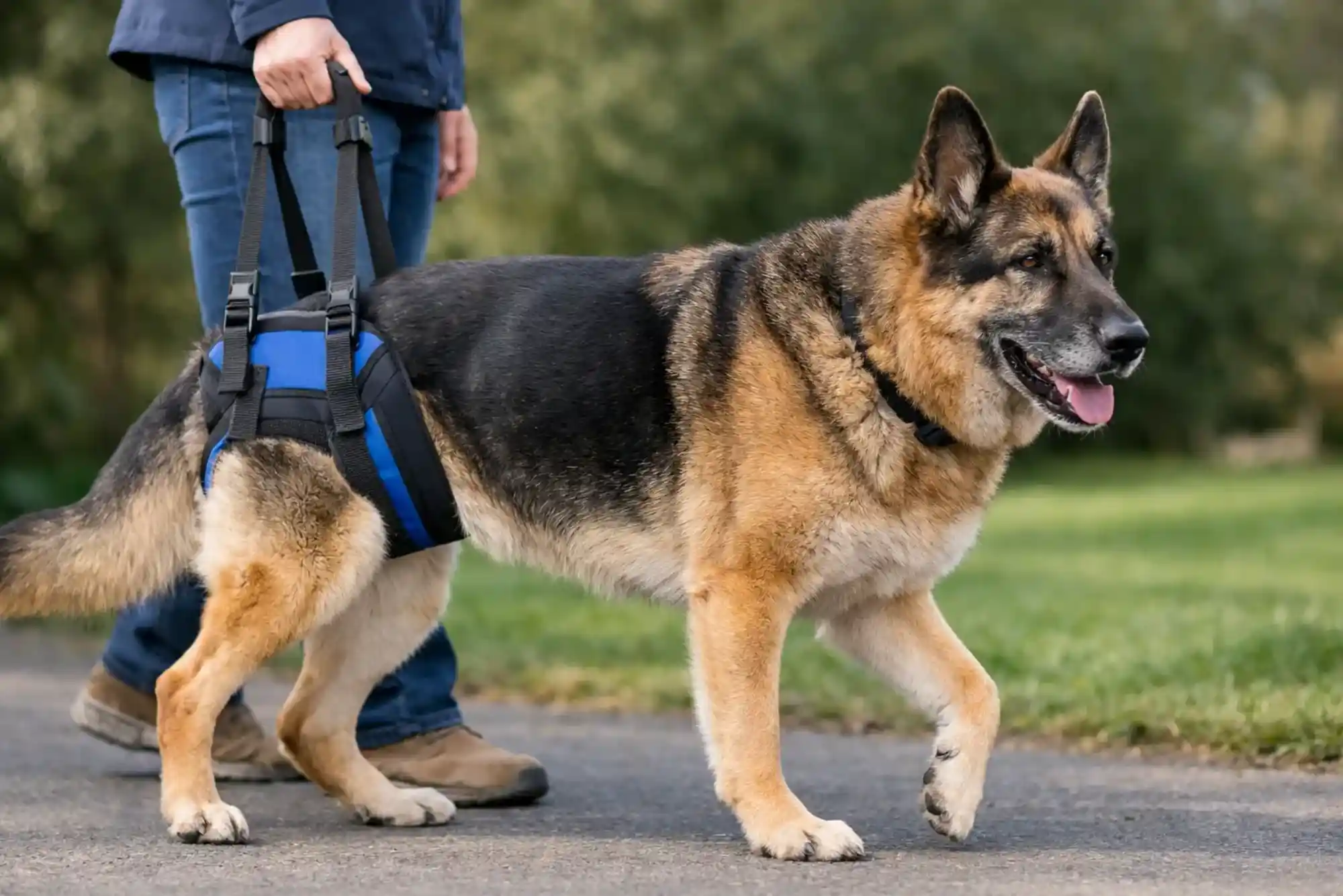
A well-fitted harness may provide better control for some dogs, particularly strong pullers. The equipment should allow normal movement without rubbing, restricting breathing, or creating unnecessary pressure.
Use a standard leash that gives you enough control without excessive length around the stroller.
Avoid wrapping the leash around the stroller handle. If the dog suddenly pulls, you need to be able to release or manage the leash independently rather than allowing the stroller itself to become part of the restraint system.
For additional information about responsible dog handling and walking practices, consult the AKC Stroller Walking Guidelines.
Practise Around Real-Life Distractions
Once your dog understands the basics, gradually introduce the situations that commonly cause pulling or lunging.
Other dogs
Do not force close greetings. If another dog approaches and your dog becomes excited, create distance and reward calm attention.
People and children
Some dogs become excited when strangers approach the stroller. Teach your dog that people can pass without requiring a greeting.
Bicycles and scooters
These can be particularly difficult because they move quickly. Practise at a safe distance and reward your dog for watching without chasing.
Squirrels and wildlife
Use high-value rewards when practising around wildlife. If your dog becomes uncontrollable, you are too close for that stage of training.
Common Mistakes to Avoid
A common mistake is expecting immediate results. Dogs need time to understand that stroller walking follows the same basic rules as ordinary loose-leash walking.
Another mistake is correcting pulling harshly. Strong physical corrections may increase frustration or anxiety, particularly when lunging is connected to fear or over-arousal.
Allowing your dog to pull sometimes can also make training inconsistent. If pulling occasionally gets the dog closer to another dog, smell, or interesting object, the behaviour can remain highly rewarding.
Finally, avoid focusing entirely on the stroller. Your dog still needs regular opportunities for sniffing, exploring, playing, and exercising. A structured stroller walk should not replace all other forms of enrichment.
Make Stroller Walks Comfortable for Your Dog
A well-trained dog is more likely to walk calmly when their physical and mental needs are being met.
Before a longer outing, consider whether your dog has had an appropriate amount of exercise and enrichment. A dog bursting with unused energy may struggle to walk calmly beside a slow-moving stroller.
However, exhausting a dog is not a substitute for training. The long-term goal is calm behaviour even when the dog is excited or interested in the environment.
You can also vary your walking routes and allow controlled sniffing breaks. Sniffing provides valuable mental stimulation and can make the overall walk more satisfying.
What If Your Dog Still Pulls or Lunges?
If your dog continues to pull despite consistent practice, return to an easier stage.
Ask yourself whether the environment is too difficult, the training sessions are too long, or the distractions are being introduced too quickly.
If lunging is severe, especially toward people or dogs, seek professional help. A qualified trainer can observe the behaviour directly and create a controlled plan suited to your dog’s temperament.
You can also explore more breed-specific information through Classicclap to better understand how breed history and typical behaviour may influence training expectations.
Remember that the objective is not perfection. A successful stroller walk is one where you can safely manage your dog while your dog remains relaxed enough to respond to you.
Build Calm Habits One Walk at a Time
Learning how to train a dog to walk beside a stroller takes patience, repetition, and careful management. Begin with loose-leash skills, introduce the stroller gradually, establish a consistent walking position, and reward your dog whenever they choose calm behaviour around distractions.
Do not rush the process. A few minutes of successful practice in a quiet environment can create the foundation for much more challenging walks later.
FAQs
How do I get my dog used to a stroller?
Introduce the stroller gradually. Start with the stroller stationary, reward calm investigation, then move it slowly indoors or in a quiet outdoor space. Increase distance, speed, and distractions only when your dog remains comfortable.
How do I stop my dog from pulling while walking?
Stop moving whenever the leash becomes tight and resume when your dog creates slack. Reward loose-leash walking consistently. Avoid allowing pulling to become the method your dog uses to reach exciting destinations.
Why does my dog lunge at other dogs on walks?
Lunging can result from excitement, frustration, fear, anxiety, or a desire to approach another dog. Identifying the underlying trigger is important. Increasing distance and rewarding calm responses can help, while severe cases may require professional behaviour support.
Should my dog walk in front of or behind a stroller?
For most owners, keeping the dog beside the stroller in a predictable position is easier to manage than allowing the dog to move freely in front or behind. The exact side can depend on your walking environment and your dog’s training.
Can I jog with a dog beside a stroller?
Only after your dog reliably walks calmly at a normal pace beside the stroller. Running increases the consequences of sudden pulling or crossing in front of the stroller, so establish dependable walking skills first.
Related Reading: Best Heavy Duty No-Pull Harnesses for Pitbulls, Boxers, and Strong Pullers
Related Reading: Relax and Recharge Without Leaving Your Home in Dubai — full guide
Related Reading: طب المخ والأعصاب – تشخيص دقيق ورعاية متخصصة للجهاز العصبي