
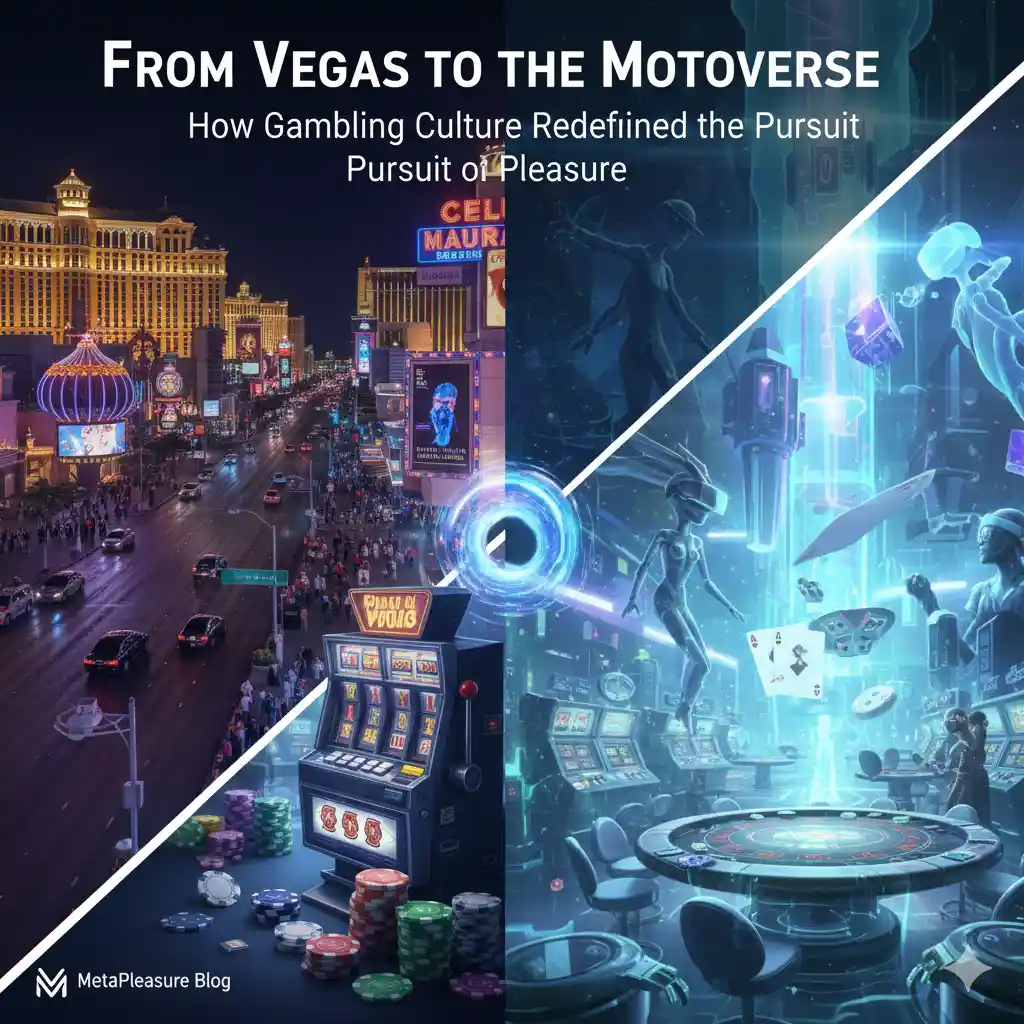
The thrill of taking a chance has always been a cornerstone of human culture. From ancient dice games to the neon-lit casinos of Las Vegas, the allure of risk and reward has captivated generations. But as technology evolved, so did the ways we experience this excitement. The digital revolution transformed gambling from a physical spectacle into a global, immersive phenomenon. Today, platforms like Pin Up UZ bridge the gap between classic casino aesthetics and cutting-edge digital experiences, offering players a seamless blend of tradition and innovation.
Gambling culture didn’t just stay confined to casino floors—it seeped into mainstream media, fashion, and even music. The glitz of Vegas became a symbol of rebellion, luxury, and the intoxicating rush of victory. Movies like Casino Royale and artists like Lady Gaga (with her Poker Face era) turned gambling into a cultural statement. Meanwhile, the rise of online platforms, such as PinUp, democratized access to this world, making it possible for anyone with an internet connection to feel the adrenaline of a high-stakes game.

But how did this shift happen? Three key factors played a role:
- Accessibility: Online casinos broke geographical barriers, allowing players to engage from anywhere.
- Aesthetic Reinvention: Brands like casino Pin Up reimagined classic casino design for the digital age, blending retro charm with modern interactivity.
- Social Integration: Gambling became a social experience, with live dealers, chat features, and even virtual reality tables.
This transformation didn’t just change how we gamble—it redefined what pleasure means in a digital world.
The Digital Renaissance: When Casinos Went Virtual
The transition from brick-and-mortar casinos to online platforms marked a turning point in gambling culture. In the early 2000s, the internet gave birth to a new era of entertainment, where the thrill of spinning a roulette wheel could be experienced from a smartphone. Pin Up emerged as a pioneer in this space, offering a user-friendly interface that mirrored the opulence of traditional casinos while adding layers of digital innovation.
What sets modern online casinos apart is their ability to create an atmosphere. Casino Pin Up, for instance, uses vibrant visuals, dynamic soundscapes, and interactive features to replicate the energy of a Vegas floor. Players aren’t just placing bets—they’re stepping into a curated experience. This shift has had ripple effects across industries:
- Fashion: The “casino chic” aesthetic, with its bold patterns and metallic accents, has influenced runway trends.
- Music: Artists now reference gambling metaphors in lyrics, from rap verses about “stacking chips” to pop anthems about taking risks.
- Film and TV: Shows like Ozark and Peaky Blinders use gambling as a narrative device to explore themes of power and fate.
The digital casino isn’t just a place to play—it’s a cultural hub where the spirit of risk-taking is celebrated in new, creative ways.
The Metaverse Gambit: Betting on the Future
As virtual reality and the metaverse gain traction, gambling culture is poised for another evolution. Imagine stepping into a digital casino where avatars mingle, VR slot machines whir, and live dealers interact in real-time. Platforms like PinUp are already experimenting with these technologies, blurring the lines between physical and virtual pleasure.
The metaverse offers unprecedented opportunities for immersion. Here’s how it’s changing the game:
- Personalization: Players can customize their avatars, environments, and even game rules.
- Community Building: Virtual casinos become social spaces, where players from around the world connect over shared experiences.
- Innovative Gameplay: Blockchain and NFTs introduce new ways to own and trade digital assets, adding layers of strategy and investment.
Yet, this shift also raises questions. Can virtual casinos replicate the tactile thrill of holding poker chips? Will the metaverse make gambling more addictive? Brands like casino Pin Up are navigating these challenges by prioritizing responsible gaming and transparent practices.
The Cultural Ripple Effect: How Gambling Shaped Art, Music, and Fashion
Gambling’s influence extends far beyond the casino floor. It’s a muse for artists, a metaphor for songwriters, and a statement for designers. The iconic Pin Up aesthetic—bold, playful, and slightly retro—has inspired everything from album covers to streetwear collections. Even the term “pin-up” itself evokes a sense of nostalgia and glamour, tying back to the golden age of casinos.
In music, gambling themes are everywhere. Consider these examples:
- Elvis Presley’s Viva Las Vegas: A love letter to the city’s hedonistic energy.
- Kanye West’s Gold Digger: A playful take on risk and reward in relationships.
- Dua Lipa’s Don’t Start Now: The lyrics “Did a full 180, crazy / Thinking ‘bout the way I was” mirror the unpredictability of a gambler’s luck.
Fashion, too, has embraced the casino vibe. Designers like Gucci and Versace have incorporated playing card motifs and gold accents into their collections, while streetwear brands use dice and chip prints to tap into the rebellious spirit of gambling culture.
The Future of Pleasure: Responsible Gaming in a Digital World
As gambling culture continues to evolve, so does the conversation around responsibility. The digital age has made gaming more accessible, but it’s also increased the need for safeguards. Platforms like Pin Up are leading the charge by implementing features like deposit limits, self-exclusion tools, and educational resources to promote healthy play.
The future of gambling isn’t just about bigger jackpots or flashier graphics—it’s about creating a sustainable culture of pleasure. Whether in Vegas, on a mobile app, or in the metaverse, the thrill of the game should always be balanced with mindfulness. After all, the greatest win isn’t just in the chips you collect, but in the experiences you cherish.
From the clinking of slot machines in Vegas to the immersive worlds of the metaverse, gambling culture has reshaped how we seek pleasure. It’s a testament to human ingenuity—and our endless fascination with risk, reward, and the stories we tell along the way. As this cultural landscape expands, communities of players increasingly seek environments that feel both exciting and safe. Story-driven experiences, personalized rewards, and transparent mechanics strengthen user confidence and long-term engagement. Even leading platforms like PinUp recognize that genuine enjoyment emerges not only from winning, but from feeling respected, informed, and in control throughout the journey.


