Introduction
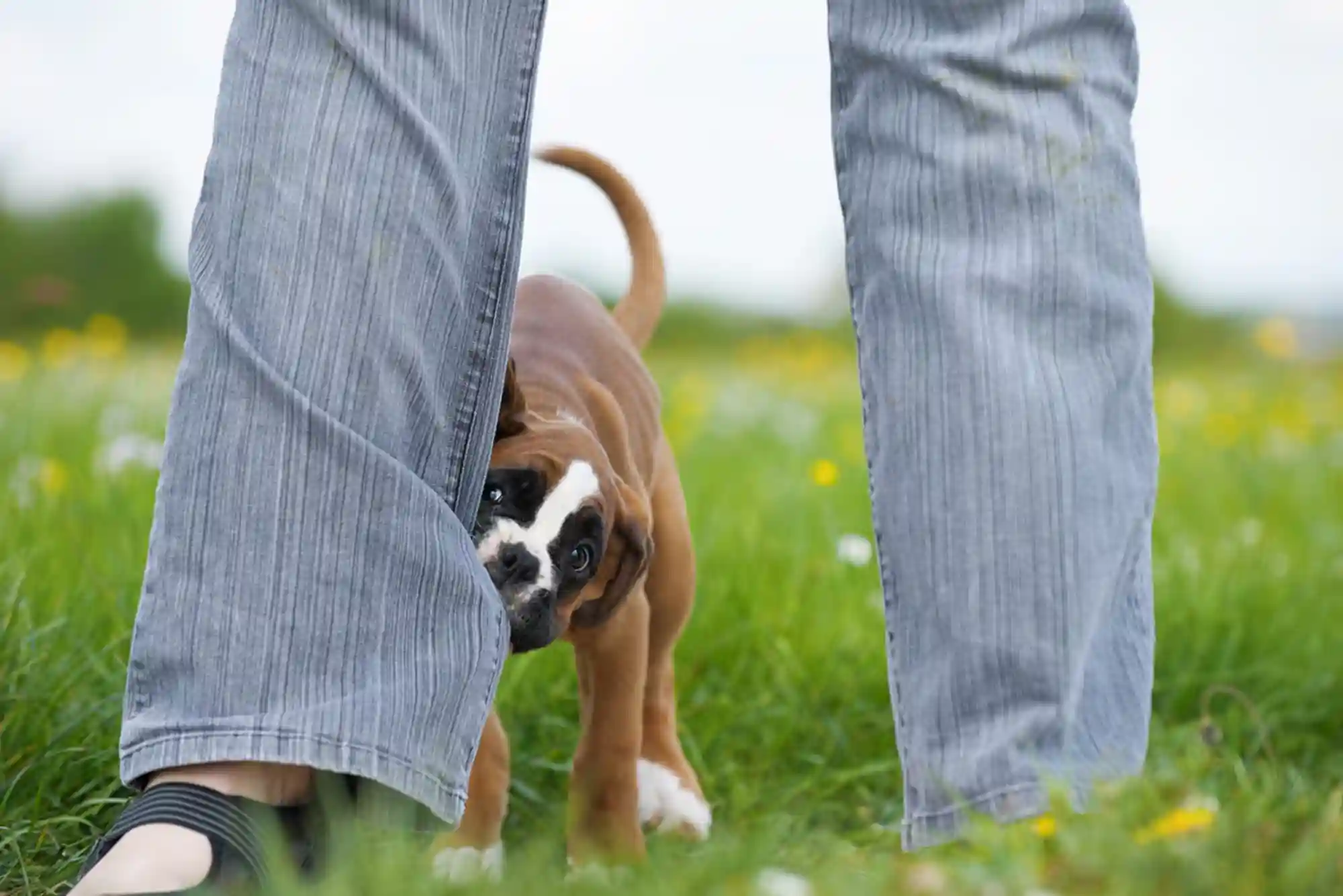
Learning how to stop a puppy from biting ankles and pant legs during walks can make daily outings more enjoyable. Many puppies chase moving feet, grab trousers, and bite shoes when walking outside. Although this behavior can feel frustrating, it is often a normal part of puppy development.
Puppies explore their surroundings with their mouths. They also practice chasing, playing, and interacting through playful biting. However, ankle biting can become uncomfortable or dangerous if it continues unchecked.
The good news is that consistent training can help your puppy develop better walking habits. With patience, positive reinforcement, and suitable redirection, you can teach your puppy to walk calmly beside you.
Why Do Puppies Bite Ankles and Pant Legs During Walks?
Understanding the reason behind this behavior is the first step toward correcting it. Puppies rarely bite clothing simply to misbehave. Their actions usually communicate excitement, frustration, fear, or a need for stimulation.
Natural Play and Herding Instincts
Some puppies chase moving feet because movement triggers their natural hunting or herding instincts. Breeds developed for herding may be particularly interested in ankles and trouser legs.
When your puppy grabs your pants, walking becomes an exciting game. Pulling your leg away may encourage more chasing because the movement resembles play.

Teething and Mouth Exploration
Puppies experience teething discomfort as their adult teeth develop. Chewing can help relieve irritation and satisfy their natural urge to bite.
Unfortunately, pant legs and shoelaces can become convenient chewing targets. Offering suitable chew toys helps redirect this behavior toward appropriate objects.
Overexcitement and Overtiredness
Young puppies have limited self-control. Busy streets, unfamiliar smells, and exciting outdoor experiences can quickly overwhelm them.
An overtired puppy may become increasingly mouthy instead of settling down. Therefore, repeated ankle biting can indicate that your puppy needs a quieter environment or a rest.
How to Stop a Puppy from Biting Ankles and Pant Legs During Walks
The most effective approach combines calm responses, consistent boundaries, and rewards for desirable behavior. Instead of punishing biting, teach your puppy what to do instead.
Stop Moving When Your Puppy Starts Biting
When your puppy grabs your ankles or pant legs, stop walking immediately. Keep your body calm and avoid kicking your feet or pulling your trousers away dramatically.
Fast movements can make the behavior more exciting. Once your puppy releases the clothing, redirect its attention toward a toy or another simple activity.
Resume walking when your puppy is calm. This teaches that biting does not make the walk more exciting.
Redirect Biting Toward a Suitable Toy
Carry a small, puppy-safe tug toy during walks. When your puppy begins targeting your clothing, offer the toy as an alternative.
Praise your puppy when it bites the toy instead of your trousers. Over time, your puppy can learn which objects are appropriate for chewing.
Choose a toy that is easy to carry and suitable for your puppy’s size. Avoid toys that could break apart or create a choking hazard.
Reward Calm Walking
Positive reinforcement helps puppies understand which behaviors earn rewards. Carry small treats and reward your puppy for walking beside you without grabbing your clothes.
Initially, reward even a few calm steps. As your puppy improves, gradually increase the distance between rewards.
Use a consistent verbal cue, such as “walk nicely.” Pair the cue with treats and praise so your puppy begins associating calm movement with positive outcomes.
Teach the Leave It Command
The “leave it” command can help prevent your puppy from grabbing clothing. Begin practicing indoors, where distractions are limited.
Hold a treat in your closed hand and allow your puppy to investigate. Wait until your puppy stops trying to reach it, then reward with a different treat.
Gradually introduce the cue and practice with increasingly challenging distractions. Once your puppy understands the exercise, practice around shoes and loose clothing before using it during walks.
Keep training sessions short and rewarding. Puppies learn better when exercises remain manageable.
Prevent Ankle Biting Before It Starts
Prevention can be easier than correcting repeated biting. Watch your puppy’s body language and identify situations that usually trigger the behavior.
If your puppy becomes mouthy after several minutes of walking, shorten the outing. If movement triggers chasing, practice walking slowly in a quiet area.
Before leaving home, provide a brief opportunity for sniffing and gentle play. However, avoid exhausting your puppy with intense exercise.
Choose comfortable clothing that does not drag near your puppy’s mouth. Loose trousers and dangling shoelaces can attract playful puppies.
Most importantly, keep walks appropriate for your puppy’s age and physical ability. Young dogs need frequent rest, exploration, and short training sessions.
What Should You Avoid When Your Puppy Bites Your Clothes?
Punishment can make ankle biting worse by increasing fear, frustration, or excitement. Shouting, hitting, and forcefully pulling your puppy away may damage trust without teaching an alternative behavior.
Avoid turning the leash into a tug-of-war. Instead, keep the leash secure and guide your puppy calmly when necessary.
Do not repeatedly wave your hands or feet to distract your puppy. These movements can encourage chasing and biting.
Also, avoid expecting immediate results. Puppies need repeated opportunities to practice appropriate behavior before it becomes a reliable habit.
Consistency matters most. Everyone who walks your puppy should follow the same approach and reward calm behavior.
When Should You Seek Professional Help?
Occasional playful mouthing is common, but some biting requires additional support. Seek advice from a veterinarian if the behavior appears suddenly or accompanies signs of pain or illness.
A qualified, reward-based dog trainer can help if biting becomes intense, frequent, or difficult to interrupt. Professional guidance is especially useful when your puppy repeatedly breaks skin or reacts aggressively when approached.
If your puppy stiffens, growls intensely, guards objects, or bites out of fear, avoid forcing interactions. A veterinarian or qualified behavior professional can help identify the cause and develop a suitable plan.
Frequently Asked Questions
Why does my puppy bite my ankles when I walk?
Puppies often bite ankles because moving feet trigger play, chasing, or herding instincts. Teething, excitement, frustration, and tiredness can also contribute. Rewarding calm walking and redirecting biting toward toys can gradually improve the behavior.
How do I stop my puppy from biting my pant legs?
Stop moving when your puppy grabs your clothing. Remain calm, redirect attention toward a suitable toy, and reward your puppy when it releases the fabric. Practice regularly to help establish better walking habits.
Should I ignore my puppy when it bites my feet?
Avoid giving the behavior an exciting reaction. You can stop moving and briefly withdraw attention when it is safe. However, do not ignore signs of distress or allow your puppy to continue biting. Redirecting and rewarding appropriate behavior provide clearer guidance.
Does puppy ankle biting mean aggression?
Not necessarily. Many puppies bite ankles during play, excitement, or herding-related behavior. However, intense biting, fear-related reactions, or repeated injuries deserve professional assessment.
At what age do puppies stop biting ankles?
There is no single age when ankle biting stops. Many puppies improve as they mature and develop better impulse control. Consistent training, adequate sleep, and appropriate chewing opportunities can help speed up progress.
Conclusion
Learning how to stop a puppy from biting ankles and pant legs during walks requires patience, consistency, and positive reinforcement. Puppies need guidance to understand that clothing is not a toy and calm walking earns rewards.