Introduction
Resource guarding in dogs can make everyday activities stressful for pet owners. A dog may growl over food, hide a toy, stiffen when someone approaches, or snap when an object is removed. These behaviors can feel alarming, especially around children or other pets. However, understanding the reasons behind them can help you respond safely.
Resource Guarding in Dogs: How to Stop Food and Toy Aggression with Trade Drills focuses on building trust through positive reinforcement. Instead of forcibly taking valuable items, you teach your dog that releasing something leads to an equally rewarding experience. With patience, careful management, and consistent practice, many dogs can learn safer responses.
The goal is not to punish a dog’s warning signals. Instead, you want to reduce anxiety and help your dog feel comfortable when people approach valuable resources.
What Is Resource Guarding in Dogs?
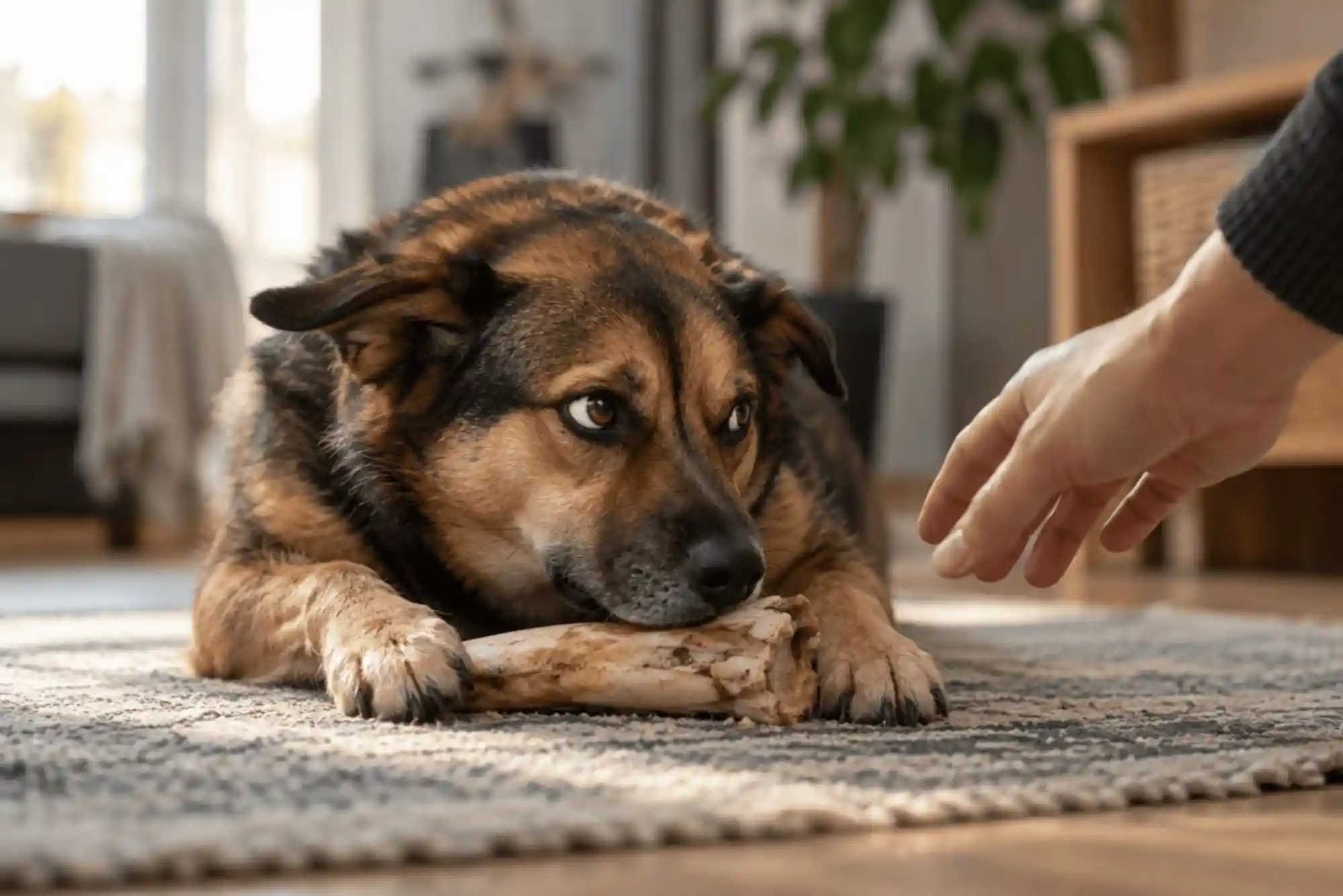
Resource guarding occurs when a dog uses behavior to protect something it considers valuable. The resource might be food, treats, toys, bones, stolen objects, or even a favorite resting place.
Some dogs show subtle signs before displaying obvious aggression. They may eat faster, freeze, turn their heads away, or position their bodies over an object. Others may growl, bare their teeth, lunge, or bite when someone comes closer.
These behaviors often develop because the dog fears losing something important. Resource guarding does not automatically mean a dog is dominant, disobedient, or naturally aggressive.

Recognizing the early signs allows you to intervene before the situation escalates.
Why Do Dogs Guard Food and Toys?
Several factors can contribute to resource guarding. Some dogs have experienced competition over food or toys. Others may have learned that people approaching often means something enjoyable disappears.
A dog adopted from a shelter might have an unknown history. Puppies can also develop guarding behaviors, even when they have received appropriate care.
Additionally, stress, pain, and environmental changes can make guarding more noticeable. A dog experiencing discomfort may become less tolerant of people approaching its possessions.
Therefore, sudden or worsening guarding deserves veterinary attention. Identifying the underlying cause helps you choose an appropriate training approach.
Recognizing Early Warning Signs
Understanding canine body language is essential when managing resource guarding in dogs. Early signals are often quieter than growling or snapping.
A guarded dog may suddenly stop chewing when someone approaches. It might lower its head over a food bowl, stiffen its body, or watch a person’s movements closely.
Some dogs carry toys away, turn their backs, or place objects beneath their paws. These behaviors do not always indicate aggression, but their context matters.
Growling is an important warning signal. Never punish it or force the dog to surrender an object. Punishment may suppress the warning without resolving the underlying discomfort.
Instead, increase distance and reconsider the situation. If your dog has bitten someone or threatens to bite, seek professional guidance before attempting trade drills.
How Trade Drills Help Reduce Resource Guarding
Trade drills teach dogs that releasing an item can produce something valuable. Rather than losing a possession unexpectedly, the dog learns that cooperating brings rewards.
For example, a dog holding a toy might release it when offered a particularly appealing treat. The owner rewards the release and may return the toy when it is safe.
This approach uses positive reinforcement to build trust. It also helps prevent confrontations over food, toys, and household objects.
However, trade drills are not appropriate for every dog or every situation. Dogs with serious guarding behavior may need an individualized behavior modification plan. Never practice by reaching into a guarded food bowl or deliberately provoking a reaction.
Choosing Appropriate Rewards
Select rewards your dog genuinely enjoys. Small pieces of suitable, dog-safe treats often work well during training.
For a toy-loving dog, another favorite toy might provide sufficient motivation. Nevertheless, food rewards are often easier to deliver without creating competition over possessions.
Choose a quiet environment with minimal distractions. Begin only when your dog appears relaxed and can engage without showing signs of guarding.
Practicing Safe Trade Drills at Home
Start with a low-value toy your dog willingly plays with. Avoid bones, food bowls, prized chews, or anything your dog has previously guarded.
Allow your dog to hold the toy without interference. From a comfortable distance, present a high-value treat so the dog can notice it without feeling threatened.
When your dog voluntarily releases the toy, calmly reward the behavior. Pick up the toy only after the dog has moved away comfortably, if retrieving it is necessary.
Whenever appropriate, return the toy after rewarding the release. This teaches your dog that giving something up does not always mean losing it permanently.
Keep sessions brief and finish while your dog remains relaxed. Repeatedly testing the dog’s limits can increase stress and undermine progress.
Once your dog reliably releases a low-value toy, gradually practice with slightly more valuable objects. Increase difficulty only when the dog shows relaxed body language consistently.
If your dog freezes, growls, guards the reward, or refuses to disengage, stop the exercise. Create distance and consult a qualified professional if these reactions recur.
Managing Food Guarding Safely
Food guarding requires particular care because meals can be highly valuable to dogs. Never remove a bowl repeatedly to prove that you control the food.
Instead, establish a predictable feeding routine in a quiet, separate area. Keep children and other animals away while your dog eats.
For suitable cases, a professional may recommend gradual counterconditioning. This involves helping the dog associate a person’s presence at a safe distance with something pleasant.
The distance must be sufficient to prevent tension. A person might briefly appear, toss a desirable treat toward the dog, and leave without approaching the bowl.
Over time, a qualified professional can guide gradual changes based on the dog’s comfort. The objective is a positive emotional response, not merely tolerance of an approaching person.
Never put your hands in the bowl or take food away during practice. If the dog already growls, lunges, or snaps around meals, seek individualized help rather than experimenting.
Common Mistakes That Make Guarding Worse
One frequent mistake is punishing a dog for growling. Growling communicates discomfort and gives people an opportunity to create distance.
Another mistake is forcibly removing toys or chews. Such confrontations can confirm the dog’s fear that approaching people will take valuable possessions away.
Some owners also move too quickly through training. A dog that trades a soft toy comfortably may still guard a bone or food bowl.
Expecting immediate results creates unnecessary pressure. Progress depends on the dog’s history, environment, triggers, and individual temperament.
Avoid allowing children to participate in trade drills. Even a familiar family dog may react unpredictably when guarding a valuable item.
Instead, manage access to guarded resources, supervise household interactions appropriately, and seek qualified assistance when risk is present.
When Should You Contact a Professional?
Professional support is important when guarding involves biting, snapping, lunging, or intense stiffness. It is also advisable when the behavior appears suddenly or becomes more frequent.
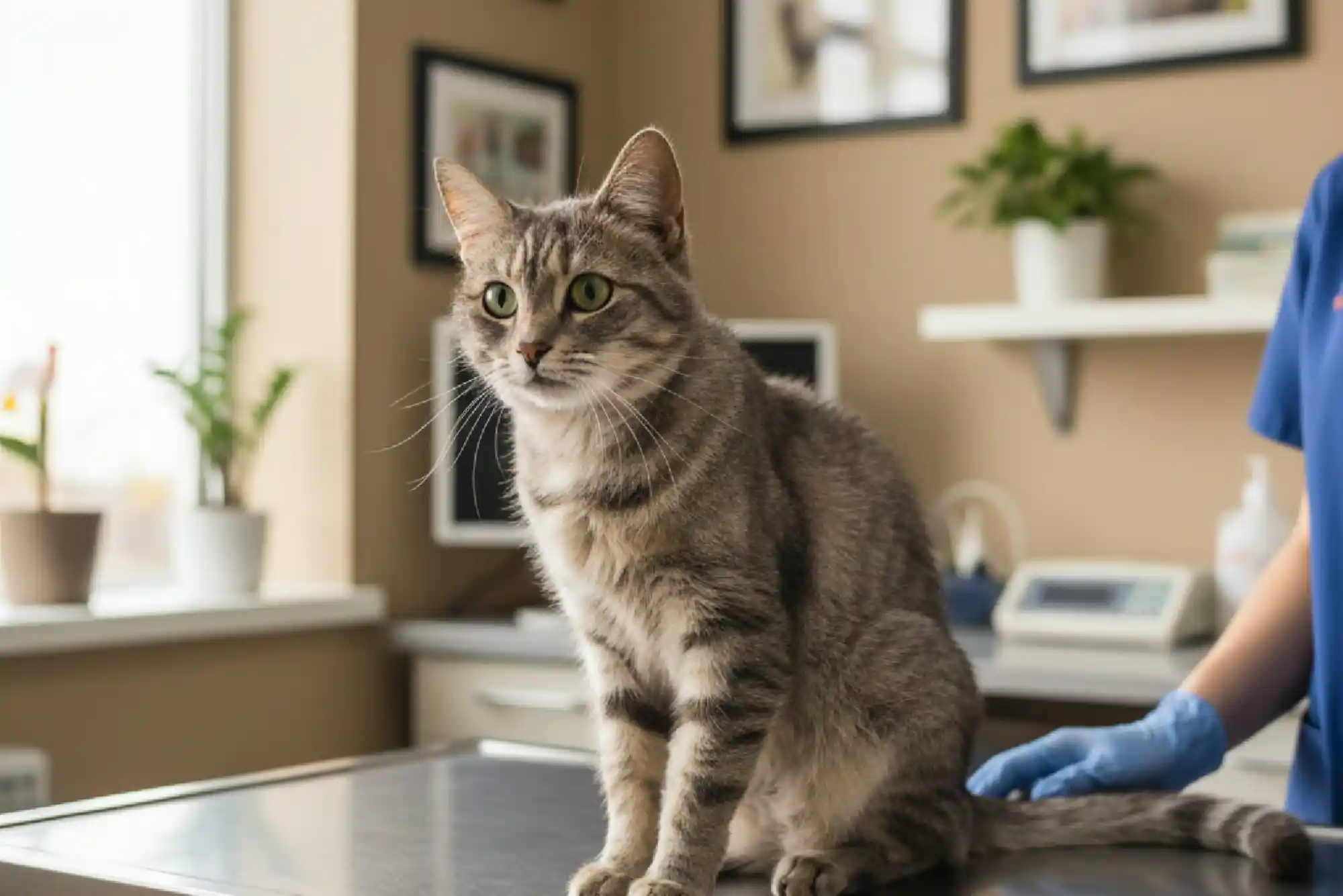
A veterinarian can assess potential pain or medical contributors. A qualified, reward-based behavior professional can develop a structured plan suited to your dog’s triggers.
Look for a veterinary behaviorist or an appropriately credentialed trainer experienced in aggression and resource guarding. Avoid professionals who recommend intimidation, physical corrections, or dominance-based confrontations.
Safety should remain the priority throughout training. Management is not a failure; it is an essential part of preventing injuries while behavior changes.
Frequently Asked Questions
Can resource guarding in dogs be stopped completely?
Many dogs improve significantly with appropriate management and behavior modification. However, outcomes vary, and some dogs may always need precautions around particular resources.
The realistic goal is safer behavior, reduced anxiety, and fewer opportunities for conflict. Avoid assuming that a dog is safe around every object simply because training has improved.
Should I take my dog’s food away to prevent aggression?
No. Repeatedly removing food can increase anxiety and reinforce the expectation that approaching people threaten valuable resources.
Provide a quiet feeding area instead. For established food guarding, consult a qualified professional about gradual counterconditioning.
Why does my dog growl when I take away a toy?
Your dog may fear losing a valued possession or may have learned that people approaching predict its removal. Growling signals discomfort and should not be punished.
Give the dog space and avoid grabbing the toy. A carefully planned trade drill may help, provided the situation is safe for training.
How long does resource guarding training take?
There is no universal timeline. Some dogs learn simple trades quickly, while established guarding may require weeks or months of carefully managed practice.
Progress should be measured through relaxed body language and safer responses, not just the absence of growling.
Are trade drills safe for aggressive dogs?
Trade drills can be useful in appropriate cases, but they are not automatically safe for dogs that have bitten or threatened people.
Serious guarding requires individualized assessment and professional supervision. Avoid testing the dog’s tolerance or attempting to remove guarded items by force.
Conclusion
Resource Guarding in Dogs: How to Stop Food and Toy Aggression with Trade Drills begins with understanding your dog’s discomfort and protecting everyone involved. Positive reinforcement, careful management, and gradual training can help build safer associations around valuable possessions.